
Can an Ionizer for Allergies Help People With Asthma and Allergies?
Allergies can make your own home feel like a trigger zone. An ionizer for allergies may help manage certain airborne particles, but knowing its limits matters before relying on it for cleaner indoor air.
Some of the links featured in this article are affiliate links. If you purchase through them, we may earn a commission at no additional cost to you.
Living with allergies or asthma makes daily breathing difficult at times unbearable. This holds particularly true when your home is full of dust, pollen, pet dander, smoke, and other particles. With these airborne particles, your own living room becomes a trigger space for your allergies.
To escape this dilemma, it’s worth considering an ionizer for allergies to create a cleaner environment where you can breathe easily. Lab Charge offers a filter-free option that helps reduce airborne particles without having to replace filters or do continuous maintenance.
Why Clean Indoor Air Matters for Allergies and Asthma
Your home can contain several triggers that affect people with allergies or asthma, even when the space looks clean. Dust, dust mites, pet dander, pollen, mold spores, tobacco smoke, and other airborne particles can remain in the air or settle on surfaces, which makes reducing indoor exposure a key part of managing your triggers.
While keeping your home clean, controlling moisture, avoiding smoke, and improving ventilation all help, they need to be paired with a solution that continuously filters the air to keep it clean and free from allergens. For those looking for a simpler option, the Lab Charge Ionic Air Technology effectively reduces airborne particles without you having to continuously replace filters.
What Is Lab Charge's Ionic Air Purifier?
Lab Charge is a compact, filter-free ionic air purifier that uses charged ions to interact with particles in the surrounding air. Instead of relying on a conventional replaceable filter, the unit is designed to operate continuously without the ongoing cost of filter replacements.
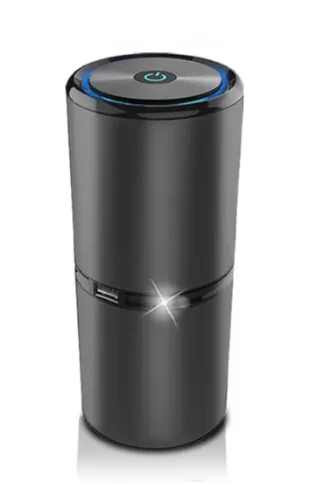
Each unit is rated to cover up to 250 square feet, making it suitable for spaces such as bedrooms, offices, and other smaller rooms. The product specifications list a noise level of 27 dB and power consumption of less than 1 watt, while Lab Charge recommends wiping the unit with a dry cloth for maintenance.
How Can Lab Charge Help With Allergies and Asthma?
An air purifier is not a complete treatment for allergies or asthma, but it can form part of a broader effort to manage the indoor environment. The potential value depends on the airborne particles present in your home and how effectively the device handles them.
How It Helps With Allergies
People with allergies have to deal with airborne particles such as dust, pollen, pet dander, and mold spores inside their homes. Even after vacuuming and wiping surfaces, particles remain suspended in the air or become airborne. The Ionizer interacts with said particles, bringing them down. This can be beneficial for spaces where you spend several hours, such as a bedroom.
However, an ionizer should not become a reason to stop cleaning. Allergens can settle on carpets, bedding, furniture, and other surfaces where an air purifier cannot simply remove them from the room. Regular vacuuming, washing bedding, reducing dust buildup, and dealing with sources of allergens remain important alongside using Lab Charge.
How It Can Help With Asthma
Asthma is different from an allergy, but certain indoor substances can act as triggers or irritants for people with asthma. Dust, pet dander, smoke, mold, and other airborne pollutants can all be relevant depending on the individual. This is where an ionic purifier addresses these airborne particles in the room and settles them to the floor so you don’t breathe them in.
However, it should not be treated as an asthma treatment. An air purifier cannot replace prescribed medication, an asthma action plan, or advice from a healthcare professional. Its role is to support the environment around someone with asthma, not manage the condition itself.
What Should You Still Do Besides Using an Ionizer?
Lab Charge’s air purifier works best as one part of a wider approach to indoor air quality. If dust, pet dander, mold, or smoke is continually being brought into a room, simply running it won’t address the source. Continue vacuuming, cleaning surfaces, washing bedding, controlling excess moisture, and addressing visible mold rather than expecting the purifier to handle everything.
This is particularly important because some allergens settle onto surfaces rather than remaining airborne. If pets contribute to the problem, regular grooming and cleaning can also help reduce dander and hair around the home. Lab Charge can provide another layer of air cleaning, but it does not remove the need for basic allergen control.
FAQs
Does An Ionizer Remove Allergens From Surfaces?
No. Ionizers interact with airborne particles, while allergens can settle on surfaces, making regular cleaning necessary.
Should You Leave An Ionic Air Purifier Running All Day?
Lab Charge supports continuous operation and uses less than one watt, though usage depends on your room and air quality needs.
Can You Use An Ionizer In A Bedroom?
Yes. Lab Charge covers up to 250 square feet, making it suitable for bedrooms, though ozone output should be considered.
Lab Charge makes sense for anyone looking for a compact, filter-free ionic purifier for your home. But it should be viewed as another layer of indoor air management rather than a replacement for cleaning, allergen control, moisture management, avoiding smoke, or medical treatment for asthma and allergies. If you want to add air purification to a bedroom, office, or other smaller space, explore Lab Charge’s Ionic Air Purifier to see whether its coverage and features fit your needs.
Stay tuned to SaveToMyCart for more insights on indoor air quality and allergy care.
RELATED BLOGS
-

Xlaserlab Review: Top Portable Laser Welders and Cleaners
Upgrading your metal workshop with high-tech laser equipment? Read our expert review of Xlaserlab top picks, featuring portable multi-function laser welders, rust-cleaning tools, and high-power UV engravers built for precisionView -

The Best Kitchen Appliances To Make Your Life Better
Ladies! You deserve the best when it comes to updating your kitchen.View -

Website Creation Services Offered by Squarespace
Avail of an interactive and modern website with the website creation services by Squarespace. A user friendly, practical, creative, trendy website within your budget.View -

Why You Should Purchase Domain from Squarespace
Squarespace is a platform that offers ease and convenience to its users. You can embark on a journey of effortless domain management and enhanced website security with Squarespace Domains. Explore and learn why purchasing a domain from square space is beneficial.View -

Google Professional Emails by Squarespace
Google Professional Emails by Squarespace provides businesses with a powerful email solution. It combines the reliability and security of Google Workspace with the ease of use and convenience of Squarespace`s intuitive platform.View -

Simplify Your Child Care Search with Sittercity
Finding reliable child care can be a stressful task for parents balancing work and family life. Sittercity makes it easy by connecting families with trusted babysitters and nannies through its user-friendly platform. The platform offers safety features, pre-planned activities, and access to skilled caregivers. Sittercity reimagines child care to fit modern needs.View -
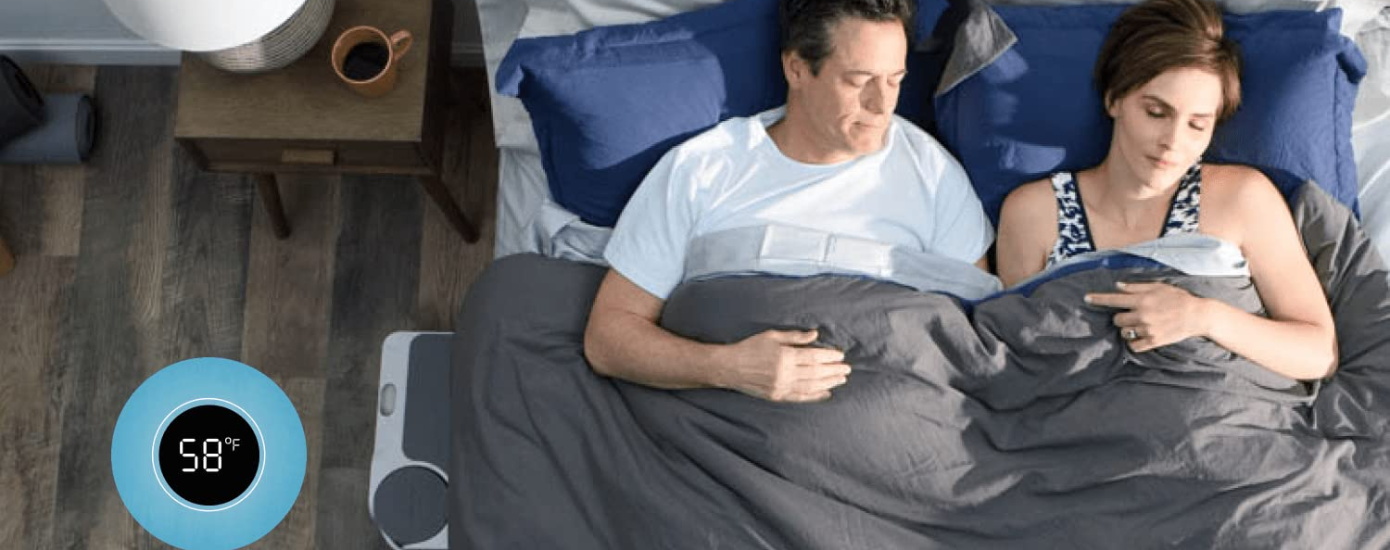
Discover the Solution for Better Sleep If You Wake Up Hot and Tired
If you are tired of battling night sweats and waking up groggy, it's time to explore a better solution. Traditional mattresses often trap body heat, making it difficult to maintain a comfortable temperature throughout the night. This can lead to restless sleep and morning fatigue, even if you've clocked in enough hours of rest. The Chilipad Dock Pro Bed Cooling System by Sleep.me offers an innovative way to regulate your sleep temperature, helping you enjoy uninterrupted, refreshing sleep every night.View -

The Best Lovevery Gifts for New Parents to Welcome Their Baby
Lovevery is a brand that provides suitable play kits for kids of all ages. Their unique toys are not only fun but also help in developing essential skills. For anyone looking to gift new parents, Lovevery offers the perfect options to support a child’s early learning and growth.View